Optimizing NIAT for Scalable Growth
Optimizing NIAT for Scalable Growth
Conducted in-depth user research to identify operational, strategic, and product gaps, enabling data-driven improvements that enhanced student experience, faculty efficiency, and long-term business scalability.
Introduction
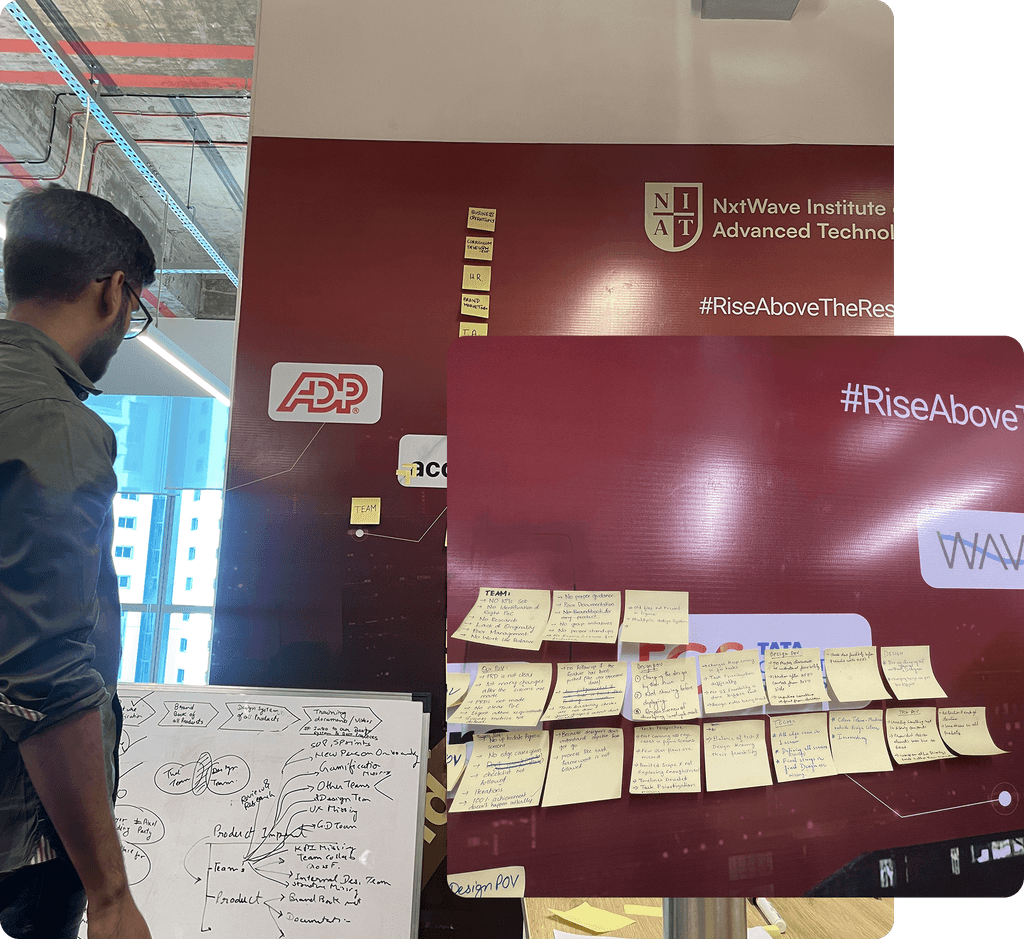
As a UI/UX Designer at Nxtwave Institute of Technology (NIAT), I was tasked with conducting a comprehensive user research study to enhance student experience, faculty efficiency, and operational scalability.
After its first six months of operation, stakeholders needed clarity on its operations to prepare for expansion. Product managers and operations teams set out to:
✅ Identify strengths in the current system.
✅ Pinpoint critical gaps affecting students, staff, and the learning platform.
✅ Align the business model for long-term success and scalability.
This research arrived at a crucial growth stage. Starting with a pilot batch of just 11 students, NIAT rapidly expanded to 1,000 students in its second year. Now, with expansion across seven cities in collaboration with reputed universities, the institute aims to reach 10,000 students this year. The impact of research-driven decision-making is direct—it optimizes student experience and ensures long-term business success.
Introduction
As a UI/UX Designer at Nxtwave Institute of Technology (NIAT), I was tasked with conducting a comprehensive user research study to enhance student experience, faculty efficiency, and operational scalability.
After its first six months of operation, stakeholders needed clarity on its operations to prepare for expansion. Product managers and operations teams set out to:
✅ Identify strengths in the current system.
✅ Pinpoint critical gaps affecting students, staff, and the learning platform.
✅ Align the business model for long-term success and scalability.
This research arrived at a crucial growth stage. Starting with a pilot batch of just 11 students, NIAT rapidly expanded to 1,000 students in its second year. Now, with expansion across seven cities in collaboration with reputed universities, the institute aims to reach 10,000 students this year. The impact of research-driven decision-making is direct—it optimizes student experience and ensures long-term business success.
Challenge
Through three months of structured research (student surveys, interviews, focus groups, usability testing, competitive analysis, heatmap studies, analytics reviews, etc.), we identified three core problem areas:
1. Operational Challenges
🔹 Faculty struggles with syllabus completion due to varying student IQ levels.
🔹 Mentors lack communication with faculty, making doubt-clearing sessions inefficient.
🔹 Success coaches manage 1,000+ students, limiting personalized follow-ups.
🔹 Coaches and mentors face engagement issues, often perceived as too lenient or strict.
🔹 Traffic delays impact student participation, affecting academic tracking.
🔹 Manual LMS operations (content unlocking, attendance tracking) create inefficiencies.
2. Strategic Challenges
🔹 Faculty evaluation depends too much on student feedback, leading to bias.
🔹 Poor student-mentor ratio causes workload strain and reduces attention per student.
🔹 Enrollment pitch promises (sports, hostel amenities) remain unfulfilled, harming trust.
🔹 Parental communication frameworks need improvement due to resistance from parents.
🔹 Coaches and mentors feel underappreciated due to the lack of a recognition framework.
🔹 Cross-functional collaboration gaps slow decision-making.
3. Product Challenges (LMS & Learning Experience)
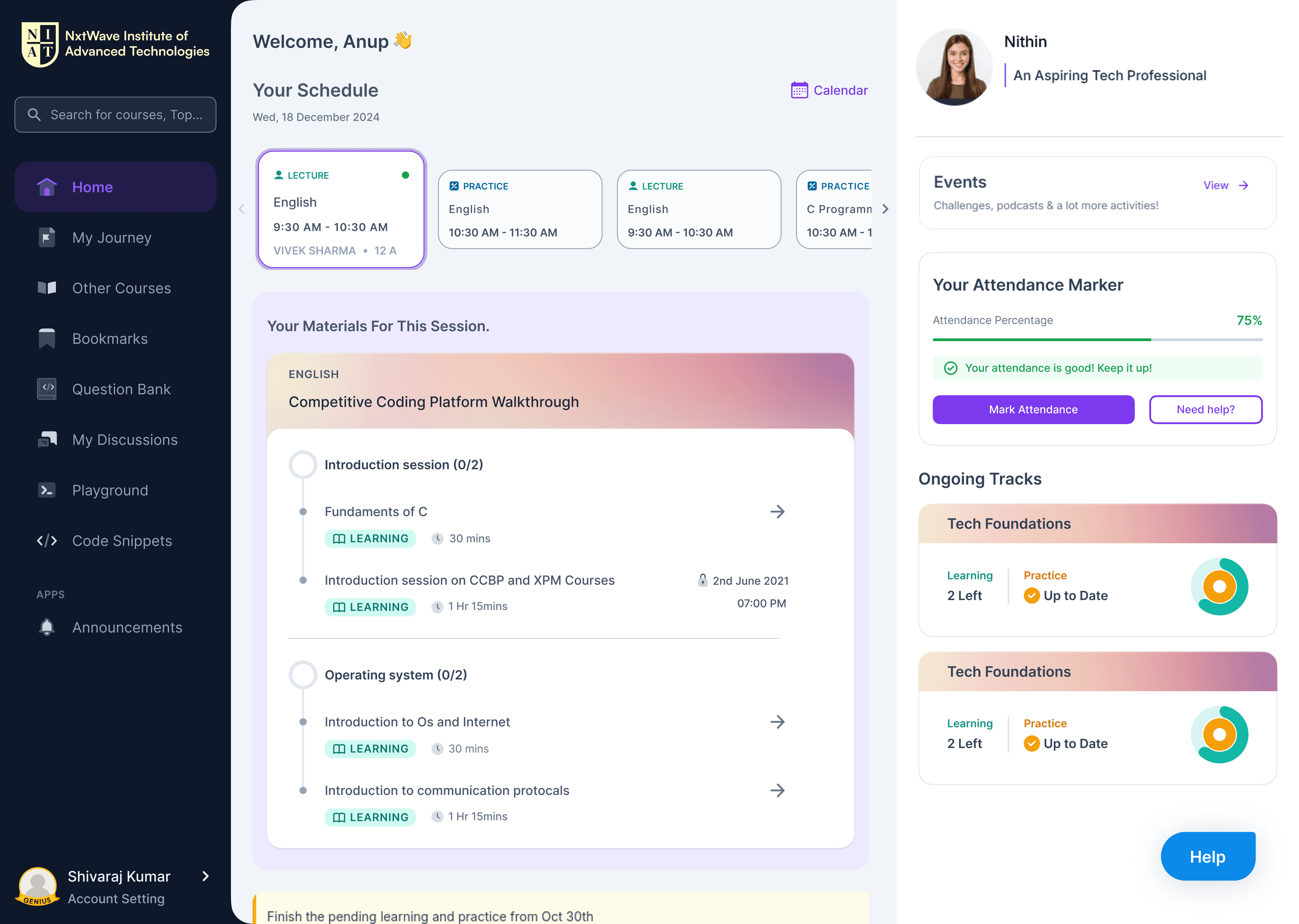
🔹 LMS requires automation for unlocking content and digital attendance tracking.
🔹 Curriculum, co-curricular activities, and attendance need integration into one platform.
🔹 Faculty, mentors, and coaches need real-time student performance insights.
🔹 Students report excessive screen time (12+ hours daily), requiring better time management tools.
🔹 Collaborative tools within LMS needed for faculty-student-mentor alignment.
🔹 Success coaches seek a behavior code of conduct module in the LMS.
The Business Challenge: Why Research Matters for Growth
With 10,000+ students expected to enroll this year, these challenges have a direct impact on revenue. If unresolved, they could lead to:
❌ Higher student dropouts due to dissatisfaction.
❌ Faculty burnout, reducing teaching effectiveness.
❌ Negative brand reputation, affecting new enrollments.
❌ Operational inefficiencies, increasing costs for manual processes.
Research was not just an academic exercise—it was a critical step in refining the institute’s business model, reducing inefficiencies, and ensuring long-term profitability.
Challenge
Through three months of structured research (student surveys, interviews, focus groups, usability testing, competitive analysis, heatmap studies, analytics reviews, etc.), we identified three core problem areas:
1. Operational Challenges
🔹 Faculty struggles with syllabus completion due to varying student IQ levels.
🔹 Mentors lack communication with faculty, making doubt-clearing sessions inefficient.
🔹 Success coaches manage 1,000+ students, limiting personalized follow-ups.
🔹 Coaches and mentors face engagement issues, often perceived as too lenient or strict.
🔹 Traffic delays impact student participation, affecting academic tracking.
🔹 Manual LMS operations (content unlocking, attendance tracking) create inefficiencies.
2. Strategic Challenges
🔹 Faculty evaluation depends too much on student feedback, leading to bias.
🔹 Poor student-mentor ratio causes workload strain and reduces attention per student.
🔹 Enrollment pitch promises (sports, hostel amenities) remain unfulfilled, harming trust.
🔹 Parental communication frameworks need improvement due to resistance from parents.
🔹 Coaches and mentors feel underappreciated due to the lack of a recognition framework.
🔹 Cross-functional collaboration gaps slow decision-making.
3. Product Challenges (LMS & Learning Experience)
🔹 LMS requires automation for unlocking content and digital attendance tracking.
🔹 Curriculum, co-curricular activities, and attendance need integration into one platform.
🔹 Faculty, mentors, and coaches need real-time student performance insights.
🔹 Students report excessive screen time (12+ hours daily), requiring better time management tools.
🔹 Collaborative tools within LMS needed for faculty-student-mentor alignment.
🔹 Success coaches seek a behavior code of conduct module in the LMS.
The Business Challenge: Why Research Matters for Growth
With 10,000+ students expected to enroll this year, these challenges have a direct impact on revenue. If unresolved, they could lead to:
❌ Higher student dropouts due to dissatisfaction.
❌ Faculty burnout, reducing teaching effectiveness.
❌ Negative brand reputation, affecting new enrollments.
❌ Operational inefficiencies, increasing costs for manual processes.
Research was not just an academic exercise—it was a critical step in refining the institute’s business model, reducing inefficiencies, and ensuring long-term profitability.
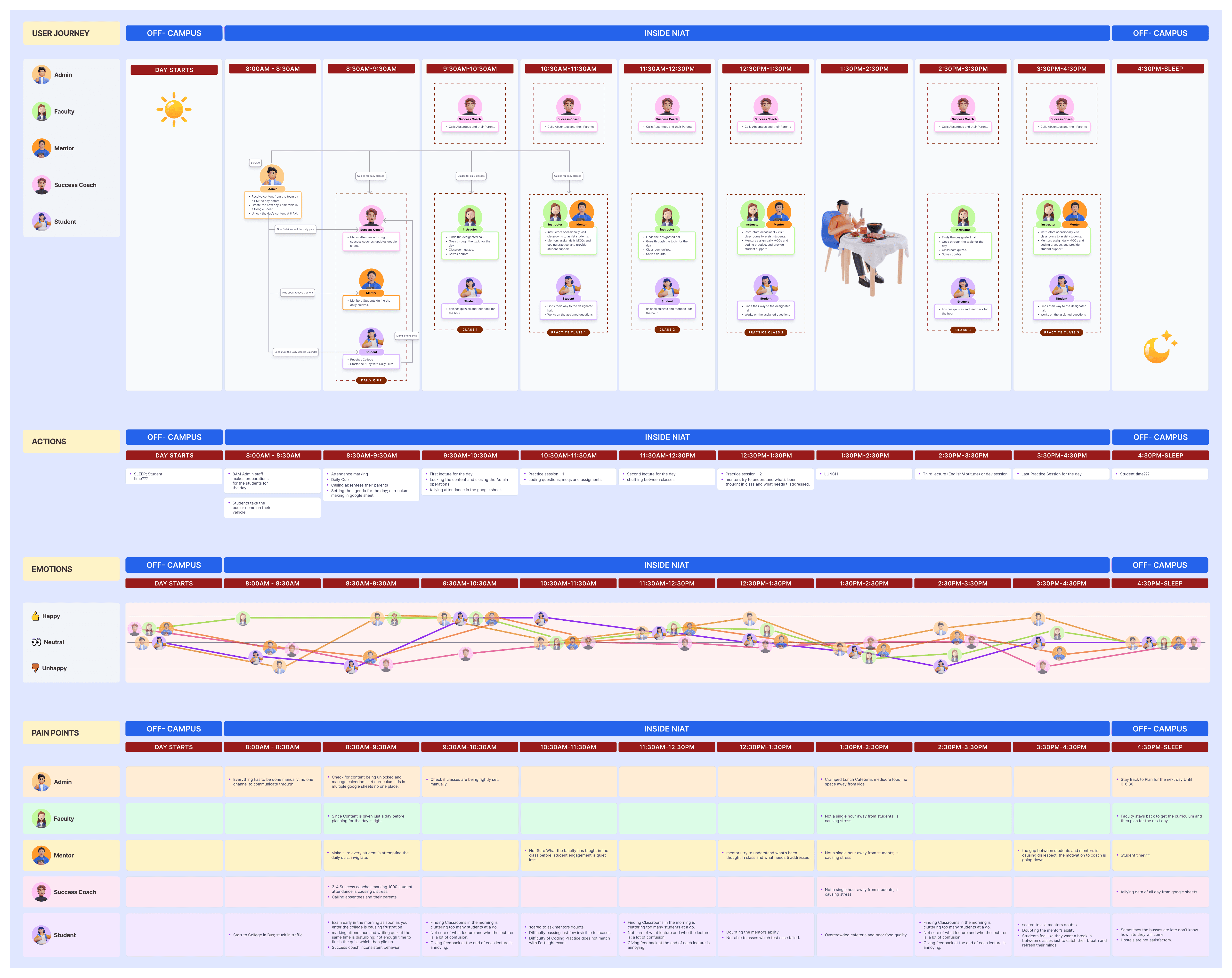
Please Go through the Figma file to understand the Research better
Please Go through the Figma file to understand the Research better
Solution
A Pipeline for Scalability & Revenue Optimization
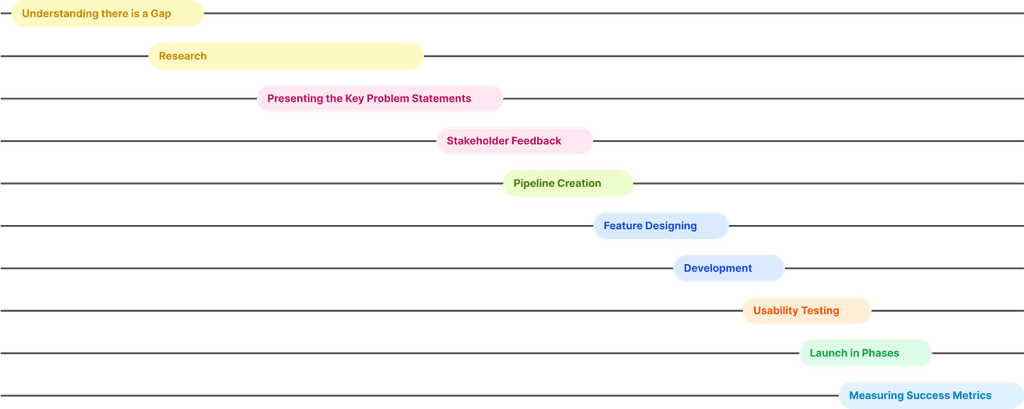
To streamline operations and scale NIAT efficiently, we designed a structured improvement pipeline:
1. Operational Pipeline
✅ Faculty & Mentorship Optimization
Introduce adaptive learning paths for students based on their IQ levels.
Implement faculty-mentor sync meetings to ensure aligned doubt-clearing sessions.
Hire additional success coaches or introduce AI-driven mentoring tools.
Deploy a mentorship dashboard to track student progress in real-time.
✅ Infrastructure & Admin Automation
Implement AI-based scheduling tools to manage class timetables dynamically.
Automate LMS operations (content unlocking, attendance tracking, report generation).
Set up traffic-delay exemptions for students with location-based check-ins.
📌 Revenue Impact:
✔️ Reducing faculty burnout ensures higher teaching quality, increasing student retention & satisfaction.
✔️ Lower operational costs from automated admin tasks improve profit margins.
2. Strategic Pipeline
✅ Better Faculty & Mentor Management
Redesign faculty evaluation to include peer reviews & performance analytics rather than relying solely on student feedback.
Improve student-mentor ratio by expanding hiring and integrating AI-driven guidance assistants.
Develop recognition programs for faculty & mentors (e.g., performance-based incentives, awards, and career growth opportunities).
✅ Enhancing Institutional Trust & Parent Communication
Fulfill promised enrollment benefits (sports courts, hostels) to maintain credibility.
Redesign parent engagement policies, ensuring structured yet non-intrusive updates.
✅ Cross-Functional Collaboration Improvements
Establish inter-department sync meetings to speed up decision-making.
Introduce a centralized communication hub for real-time discussions across teams.
📌 Revenue Impact:
✔️ Better faculty & mentor engagement leads to higher student satisfaction, reducing churn rates.
✔️ Stronger institutional credibility results in higher referral-based enrollments, cutting down on marketing costs.
3. Product (LMS) Pipeline
✅ LMS Optimization & Automation
Automate content unlocking & attendance tracking for improved efficiency.
Integrate curriculum updates, co-curricular activities, and attendance into a single view.
Provide real-time student analytics (quiz results, attendance, engagement metrics) for faculty & mentors.
Introduce LMS-integrated collaborative tools to help faculty plan sessions better.
Implement AI-driven time management recommendations for students.
Develop a student & mentor code of conduct module within LMS.
📌 Revenue Impact:
✔️ Scalability without increasing costs—automating LMS operations reduces the need for additional admin staff.
✔️ Higher engagement = Higher retention—students using LMS effectively stay enrolled longer.
Solution
A Pipeline for Scalability & Revenue Optimization
To streamline operations and scale NIAT efficiently, we designed a structured improvement pipeline:
1. Operational Pipeline
✅ Faculty & Mentorship Optimization
Introduce adaptive learning paths for students based on their IQ levels.
Implement faculty-mentor sync meetings to ensure aligned doubt-clearing sessions.
Hire additional success coaches or introduce AI-driven mentoring tools.
Deploy a mentorship dashboard to track student progress in real-time.
✅ Infrastructure & Admin Automation
Implement AI-based scheduling tools to manage class timetables dynamically.
Automate LMS operations (content unlocking, attendance tracking, report generation).
Set up traffic-delay exemptions for students with location-based check-ins.
📌 Revenue Impact:
✔️ Reducing faculty burnout ensures higher teaching quality, increasing student retention & satisfaction.
✔️ Lower operational costs from automated admin tasks improve profit margins.
2. Strategic Pipeline
✅ Better Faculty & Mentor Management
Redesign faculty evaluation to include peer reviews & performance analytics rather than relying solely on student feedback.
Improve student-mentor ratio by expanding hiring and integrating AI-driven guidance assistants.
Develop recognition programs for faculty & mentors (e.g., performance-based incentives, awards, and career growth opportunities).
✅ Enhancing Institutional Trust & Parent Communication
Fulfill promised enrollment benefits (sports courts, hostels) to maintain credibility.
Redesign parent engagement policies, ensuring structured yet non-intrusive updates.
✅ Cross-Functional Collaboration Improvements
Establish inter-department sync meetings to speed up decision-making.
Introduce a centralized communication hub for real-time discussions across teams.
📌 Revenue Impact:
✔️ Better faculty & mentor engagement leads to higher student satisfaction, reducing churn rates.
✔️ Stronger institutional credibility results in higher referral-based enrollments, cutting down on marketing costs.
3. Product (LMS) Pipeline
✅ LMS Optimization & Automation
Automate content unlocking & attendance tracking for improved efficiency.
Integrate curriculum updates, co-curricular activities, and attendance into a single view.
Provide real-time student analytics (quiz results, attendance, engagement metrics) for faculty & mentors.
Introduce LMS-integrated collaborative tools to help faculty plan sessions better.
Implement AI-driven time management recommendations for students.
Develop a student & mentor code of conduct module within LMS.
📌 Revenue Impact:
✔️ Scalability without increasing costs—automating LMS operations reduces the need for additional admin staff.
✔️ Higher engagement = Higher retention—students using LMS effectively stay enrolled longer.
Conclusion
Through this research, we gained deep insights into NIAT’s strengths and gaps, allowing us to build a structured roadmap for long-term success. By focusing on operational efficiency, strategic alignment, and product scalability, we are transforming NIAT into a seamless, student-friendly, and scalable educational institute.
Business Growth Analysis:
🚀 Pilot Batch: 11 students
📈 Second Year: 1,000 students
🌍 Now Expanding to 7 Cities & Partnering with Universities
🎯 Target for This Year: 10,000 students
By adapting our research insights, we are ensuring that NIAT:
✅ Delivers a superior student experience, increasing retention rates.
✅ Optimizes operational costs, improving overall profitability.
✅ Strengthens brand reputation, leading to organic growth & partnerships.
✅ Creates a scalable, long-term business model for continued success.
The impact of research-driven adaptation is not just qualitative—it’s directly influencing revenue, operational efficiency, and institutional growth. As we move forward, this data-driven approach will continue shaping NIAT’s success story, making it a leader in tech-driven education across India.
Conclusion
Through this research, we gained deep insights into NIAT’s strengths and gaps, allowing us to build a structured roadmap for long-term success. By focusing on operational efficiency, strategic alignment, and product scalability, we are transforming NIAT into a seamless, student-friendly, and scalable educational institute.
Business Growth Analysis:
🚀 Pilot Batch: 11 students
📈 Second Year: 1,000 students
🌍 Now Expanding to 7 Cities & Partnering with Universities
🎯 Target for This Year: 10,000 students
By adapting our research insights, we are ensuring that NIAT:
✅ Delivers a superior student experience, increasing retention rates.
✅ Optimizes operational costs, improving overall profitability.
✅ Strengthens brand reputation, leading to organic growth & partnerships.
✅ Creates a scalable, long-term business model for continued success.
The impact of research-driven adaptation is not just qualitative—it’s directly influencing revenue, operational efficiency, and institutional growth. As we move forward, this data-driven approach will continue shaping NIAT’s success story, making it a leader in tech-driven education across India.
Student NPS When the Survey Started
64%
Student NPS After 100 days
89%